
Ojú-ìwé
Ojú-ìwé
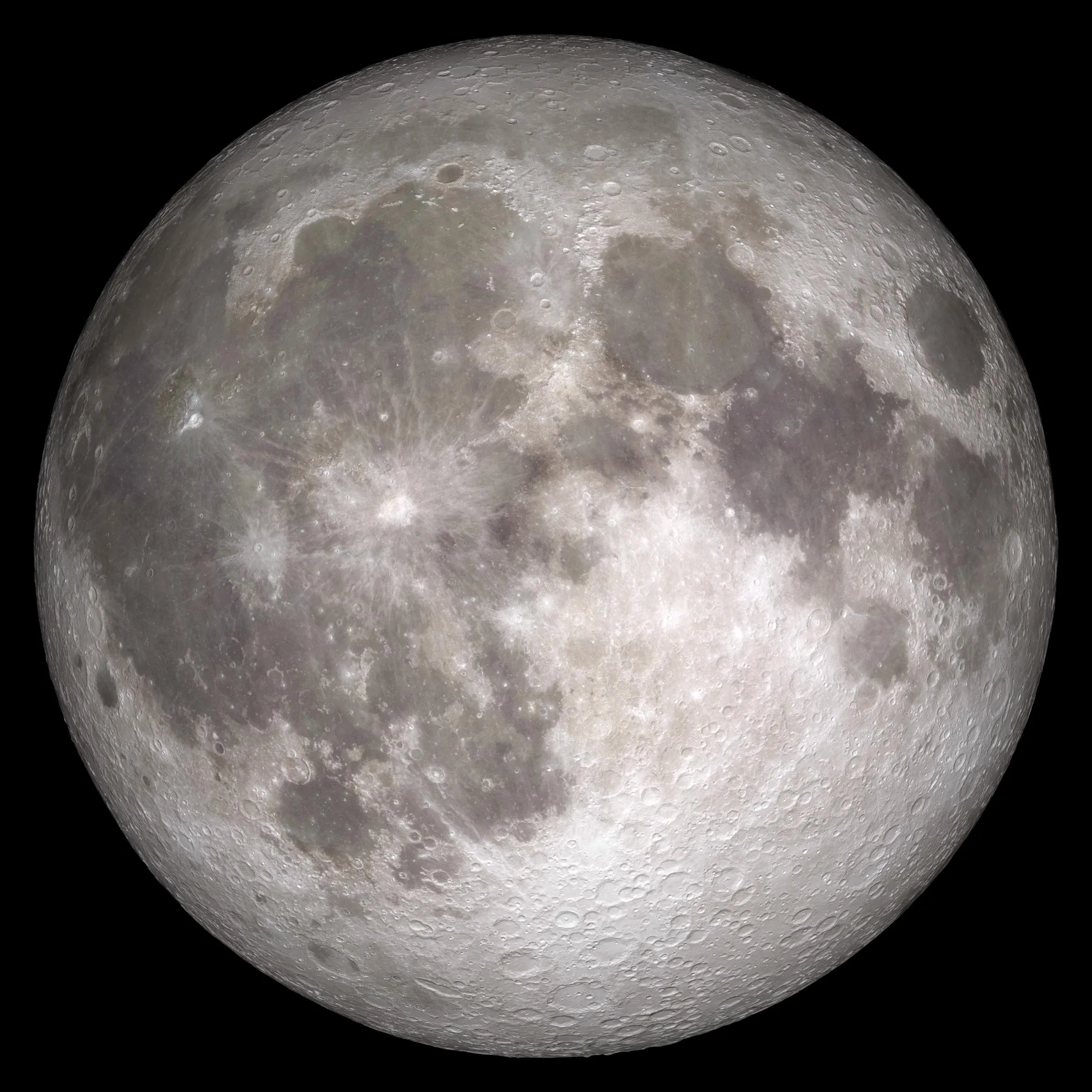
Earth's only natural satellite, the fifth-largest moon in the solar system.
NASA
Our only natural satellite, and the only other world where humans have walked.
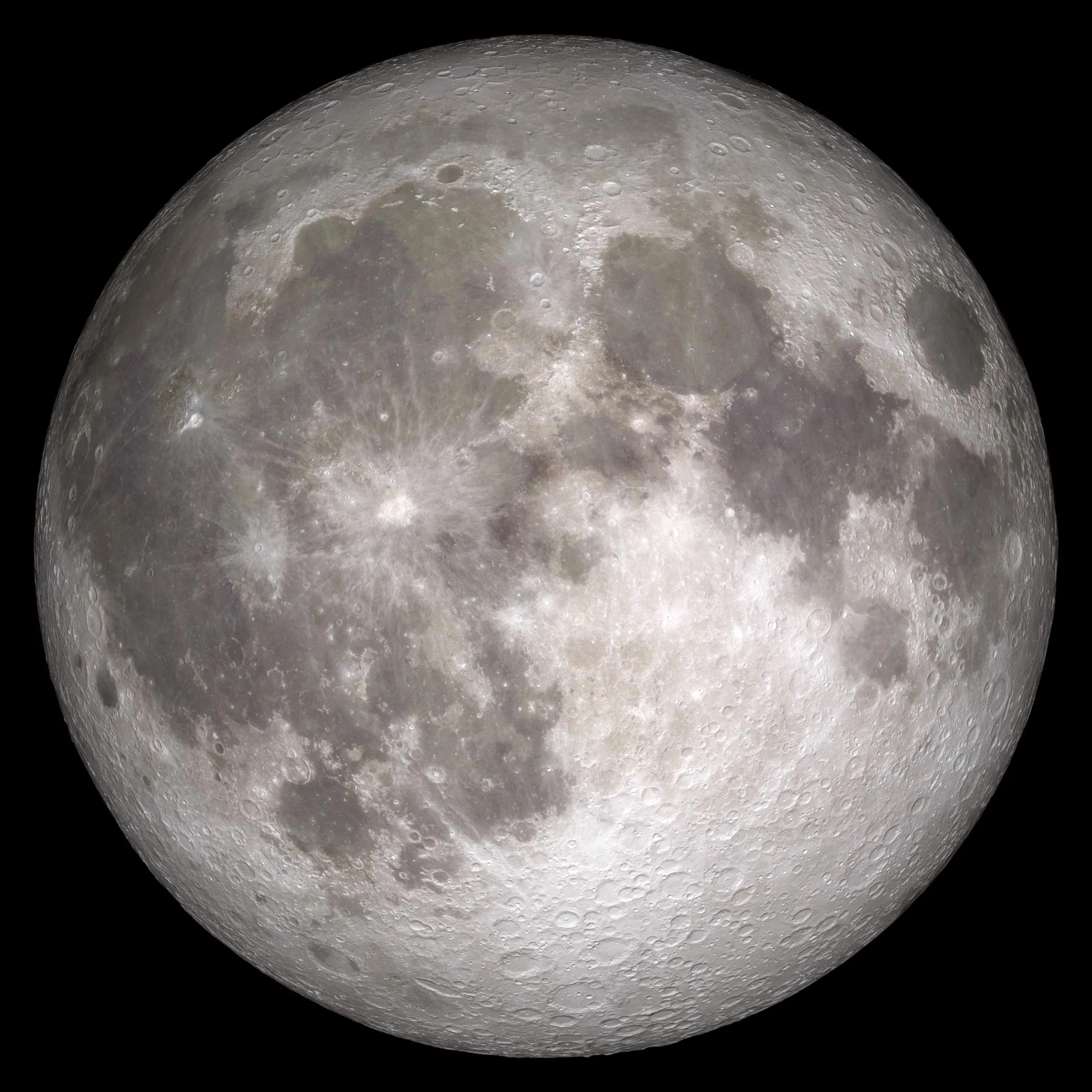
The Moon is thought to have formed from debris after a Mars-sized body struck the young Earth. It always shows the same face to Earth because its rotation is locked to its orbit.
Its gravity raises the tides on Earth. Twelve astronauts walked on its surface during the Apollo missions between 1969 and 1972.
Àwọn ìṣàmúlò-ètò ààyè-iṣẹ́
Àwọn ìrànwọ́ àti àkọlé lòòlù àwọn módè́ì tí a fi pamọ́ fún ìmọ̀. Kò yẹ ki wọn lò fún ìṣàfihàn, ìṣàmúlò-ètò àti àwọn ìṣẹ̀dá iṣẹ́. Àwọn ìwé-ẹ̀rì ní ọ̀fẹ̀ àti àwọn ààyè-iṣẹ́ kò ní ìgbà gbà. Ka àwọn ìṣàmúlò-ètò ìròyìn