
Àwọn ààyè-iṣẹ́
The largest object in the asteroid belt and the only dwarf planet in the inner solar system.
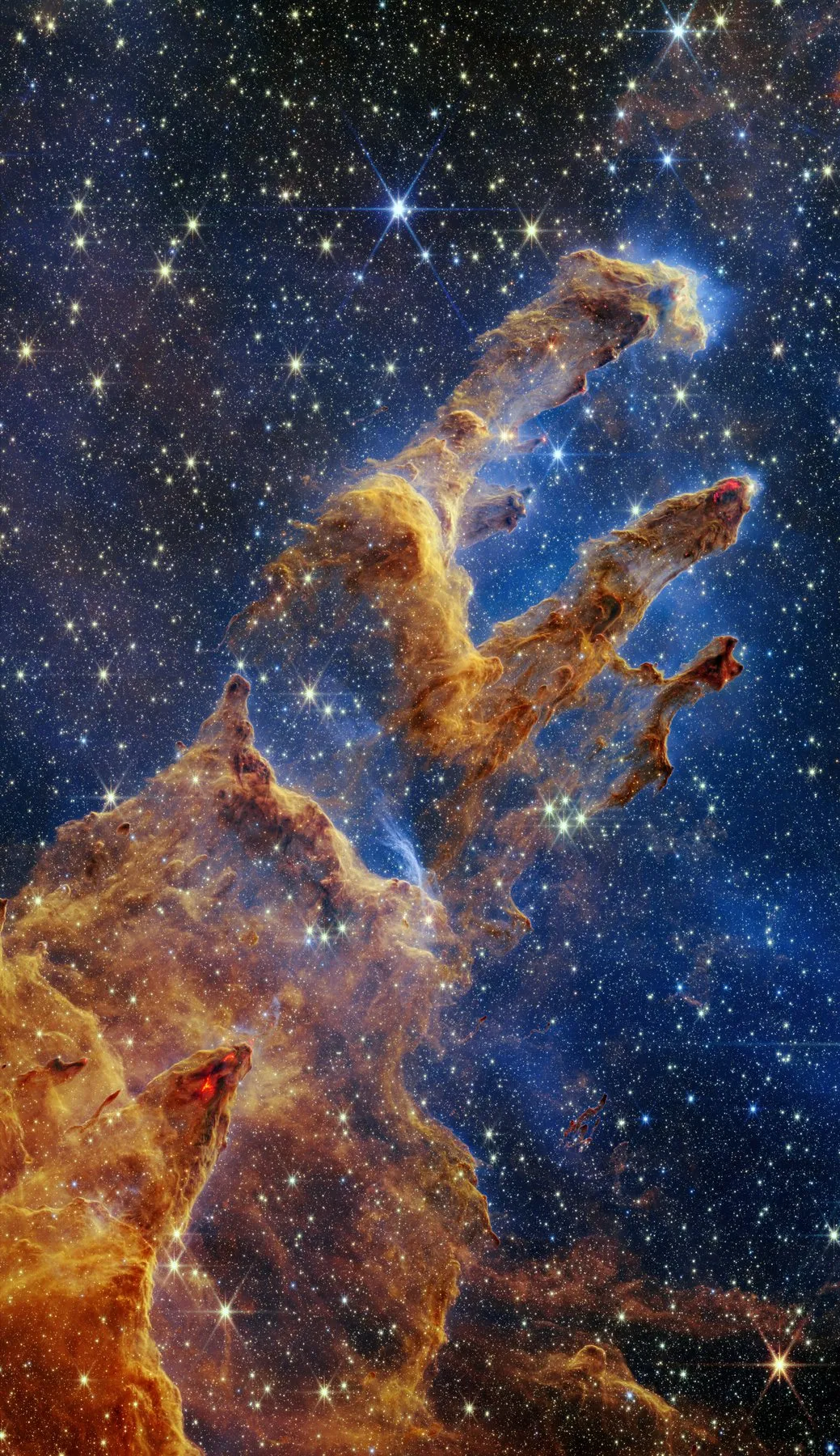
NASA, ESA, CSA, STScI; J. DePasquale, A. Koekemoer, A. Pagan (STScI) (CC BY 4.0)
First a planet, then an asteroid, now a dwarf planet: Ceres has changed category more often than any other world.
Ceres was discovered by Giuseppe Piazzi in 1801 and was first counted as a planet, then an asteroid, and since 2006 a dwarf planet. It is by far the most massive object in the belt.
NASA’s Dawn spacecraft orbited Ceres from 2015 to 2018 and found bright deposits of salts in Occator crater, evidence of briny water beneath the surface.
Wáròyìn nínú àwọn ìṣàmúlò-ètò
Àwọn ìṣàmúlò-ètò ààyè-iṣẹ́
Àwọn ìrànwọ́ àti àkọlé lòòlù àwọn módè́ì tí a fi pamọ́ fún ìmọ̀. Kò yẹ ki wọn lò fún ìṣàfihàn, ìṣàmúlò-ètò àti àwọn ìṣẹ̀dá iṣẹ́. Àwọn ìwé-ẹ̀rì ní ọ̀fẹ̀ àti àwọn ààyè-iṣẹ́ kò ní ìgbà gbà. Ka àwọn ìṣàmúlò-ètò ìròyìn