
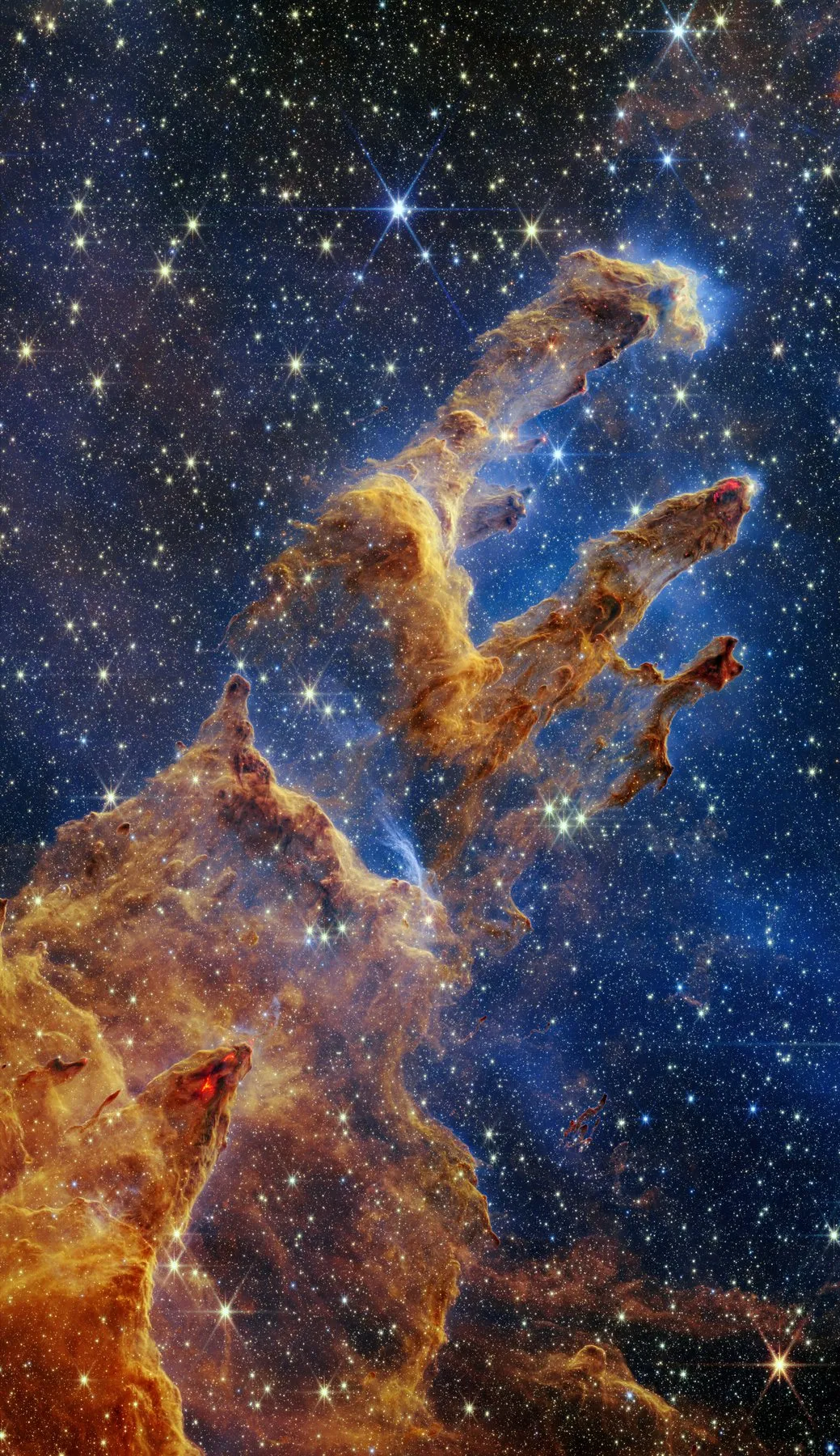
NASA, ESA, CSA, STScI; J. DePasquale, A. Koekemoer, A. Pagan (STScI) (CC BY 4.0)
Barely 500 km across, and yet it sprays water into space from an ocean hidden under its ice.
Enceladus is only about 500 km across, yet it is one of the most active bodies in the solar system. Near its south pole, jets of water vapour and ice grains erupt through cracks, feeding Saturn’s E ring.
NASA’s Cassini spacecraft flew through the plumes and detected salts, silica and organic molecules, evidence of a subsurface ocean in contact with rock.
데이터 소스
도구와 수업은 학습을 위해서만 단순화된 모델을 사용합니다. 이들은 항해, 미션 계획 또는 어떠한 운영 결정에도 사용되어서는 안됩니다. 인증서는 무료이며 공인되지 않습니다. 교육용 콘텐츠 면책 조항 읽기